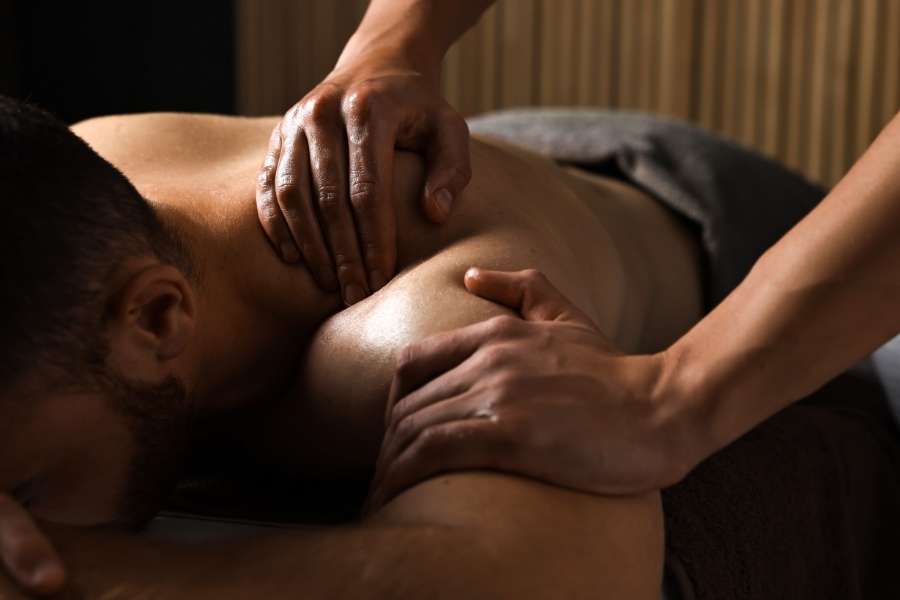
Have you ever left a spa feeling like a brand-new human? That “cloud nine” feeling often vanishes when Monday morning traffic hits. Treating massage as a rare luxury is like eating cake for health. You need a massage to Actually Feel Long-Term improvements in your daily life.
The real magic of bodywork happens through a cumulative effect. It is like going to the gym or eating your greens. One session soothes a tight shoulder temporarily. However, a consistent wellness routine retrains your nervous system. This approach bridges the gap between relief and lasting transformation.
The Science of Consistency: Why Frequency Matters for Your Body
Committing to a massage to Actually Feel Long-Term results impacts your physiology. Regular sessions lower cortisol and boost serotonin levels. You can find top spas for a relaxing getaway to start this journey. Consistent care creates a baseline of calm for stressful weeks.
For those struggling with chronic pain, sporadic visits are not enough. You must break the cycle of inflammation and muscle guarding. A regular massage schedule allows therapists to reach deeper tissue layers. Think of your muscles like a tangled ball of yarn.
A steady approach ensures each session builds on the last. This leads to better body maintenance and improved mobility. Frequent touch reduces the perceived risk of future injury. Your body learns to stay relaxed even under heavy pressure.
| Goal | Recommended Frequency | Primary Benefit |
| Stress Relief | Every 2 to 4 weeks | Nervous system regulation |
| Chronic Pain | Once a week (initially) | Breaking pain-spasm cycles |
| Muscle Recovery | 1 to 2 times per month | Flushing metabolic waste |
| General Wellness | Every 4 to 6 weeks | Preventive maintenance |
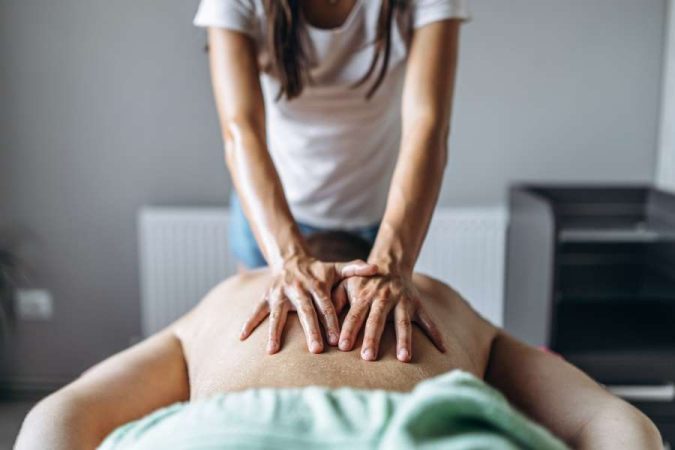
Finding Your Rhythm: How Often Should You Get a Massage for Stress Relief?
Do you wonder how often should you get a massage for stress relief? High-achievers find a bi-weekly or monthly cadence is the “sweet spot.” Visit best spas and massage destinations for relaxation to maintain your balance. This prevents burnout before it even starts.
A monthly massage benefits for chronic muscle tension by preventing physical stress. Subconsciously, we hike our shoulders toward our ears when stressed. Over time, the fascia hardens in that awkward position. Regular intervention keeps these tissues supple and flexible.
You will find it easier to breathe deeply and move. Your productivity increases when your body is not in pain. Consistency is the secret sauce for mental clarity. Don’t wait for a crisis to book your session.
Targeted Solutions for Athletes and Chronic Conditions
The best massage schedule for athletes and active people is more aggressive. High-impact activities create micro-tears and metabolic buildup. You need efficient muscle recovery strategies to stay at your peak. A session every week or two reduces injury risks.
Is weekly massage good for your health if you aren’t an athlete? Yes, especially for severe conditions like fibromyalgia or recovery. Frequent sessions focusing on lymphatic drainage help move fluid effectively. This reduces swelling and speeds up natural healing processes.
It creates a therapeutic environment where your body feels safe. You can finally let go of long-held physical tension. Trust the process of gradual, steady improvement. Your health is a long-term investment, not a quick fix.
| Condition | Suggested Duration | Key Technique |
| High-Impact Sports | 90 Minutes | Deep Tissue / Sports |
| Office/Desk Fatigue | 60 Minutes | Trigger Point / Swedish |
| Post-Surgery | 45 to 60 Minutes | Lymphatic Drainage |
| Insomnia/Anxiety | 60 to 90 Minutes | Aromatherapy / Swedish |
Creating a Sustainable Wellness Routine That Lasts
The best massage to Actually Feel Long-Term success is a sustainable one. It is better to go once a month consistently. Do not book three sessions then stop for a year. Consistency turns a rubdown into a life-changing intervention.
Think of it like an oil change for your car. You don’t wait for the engine to smoke first. Your body deserves proactive care every single month. Investing in your wellness routine ensures a more mobile future.
Frequently Asked Questions about Massage to Actually Feel Long-Term
Will I see results if I go once every few months?
One session provides immediate relaxation but lacks cumulative benefits. For a massage to Actually Feel Long-Term change, aim for monthly sessions. This keeps tissues from reverting to old, painful patterns.
Can I get a massage too often?
Your body needs 24 to 48 hours to process deep work. While daily massage is rarely needed, a weekly massage is safe. It is highly effective for intense training or high stress.
What should I do between sessions to maintain results?
Hydration is absolutely key for flushing out toxins. Practice light stretching and ergonomic awareness to extend your results. Think of stretching as daily maintenance for your engine.
Does the massage type change my schedule?
Yes, lighter techniques like Swedish can happen more frequently. Intense modalities like Deep Tissue require more “down time” for recovery. Your muscles need time to adapt to structural changes.