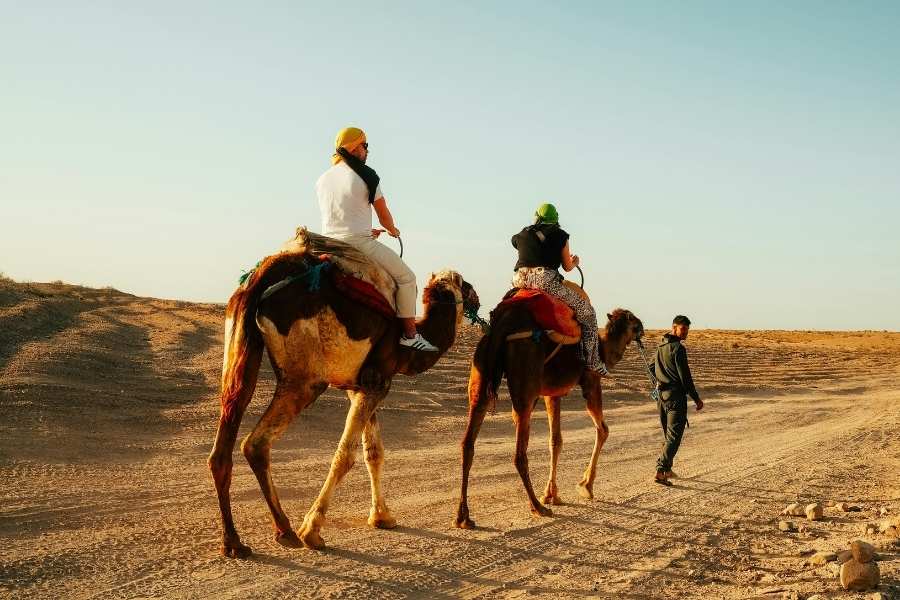
Ever dreamed of crossing vast golden sand dunes on foot? A multi day desert trek is the adventure of a lifetime. But let us be honest for a second. The relentless sun and heavy sand can crush your body fast. Standard walking workouts will not cut it out here. You need real physical preparation to handle this epic challenge.
Training your muscles and heart changes everything. Smart conditioning turns a brutal ordeal into a fun journey. Let us dive into simple training steps that get your body totally ready.
Laying a Solid Base With Physical Conditioning
You cannot rush your preparation for long desert walks. A smart physical conditioning plan builds deep aerobic stamina over several months. This steady routine protects your knees, ankles, and feet from sudden injuries, whether you hike at home or set off to explore the world’s most beautiful deserts.
Months 1-2: Easy Base Building
       ?
Months 3-4: Heavy Pack Strength Work
       ?
Month 5: Heat Prep and Peak Distance
       ?
Final 2 Weeks: Complete Body Rest
Long walks teach your system to burn energy efficiently. You will feel fresh even after hours of continuous walking. Rest is just as important as your hard workouts. Your muscles adapt and grow stronger when you sit back and relax.
| Day | Training Target | Activity Type |
| Monday | Body Recovery | Easy stretching and foam rolling |
| Tuesday | Lower Body Power | Weighted squats and step-ups |
| Wednesday | Aerobic Base | Incline treadmill walking |
| Thursday | Core Stability | Planks and farmer carries |
| Friday | Rest Day | Light walking or swimming |
| Saturday | Backpack Walk | Long outdoor hike with a pack |
| Sunday | Low Impact | Easy indoor cycling session |
Consistency brings amazing results over time. Stick to a gradual plan and your body will adapt smoothly.
Smart Cardio Training and Stamina Building
Building strong lungs requires consistent cardio training at a relaxed, steady pace. Do not waste energy on fast sprints. You need low-intensity movement that you can sustain for hours, which is especially useful if you review basic travel tips for first time visitors before tackling hot and challenging outdoor terrains.
Key Rule: Keep your pace slow enough to talk comfortably. This easy rhythm builds true endurance without draining your fuel fast.
Working in this easy effort zone trains your body to burn fat for energy. It keeps your brain sharp and your legs moving steadily.
Simple Aerobic Exercises
- Incline Treadmill: Set high angles to simulate steep dune climbs.
- Stairmaster: Great tool for strengthening calves under load.
- Cycling: Builds knee strength without pounding hard ground.
Dedicated stamina building keeps you moving forward when terrain gets tough. Your legs will feel light even after full days of walking.
Leg Strength Workouts for Heavy Backpacks
Soft sand shifts under your feet with every single step. This extra effort demands serious leg strength and core stability. Doing lower body strength workouts for heavy backpacks saves your back from painful fatigue.
Strong legs push you out of deep sand with ease. Focus on single-leg moves to improve your balance on uneven ground.
Bodyweight Squats ? Weighted Lunges ? Weighted Sand Walks
  (Basic Strength)    (Single Leg Balance)   (Desert Prep)
Essential Strength Moves
- Weighted Step-ups: Mimics climbing high sand hills with a pack.
- Split Squats: Builds great balance and fixes muscle weak spots.
- Farmer Carries: Builds strong shoulders and a tough core.
Add an easy endurance workout to your week by carrying a loaded pack. Start with light weight and add small amounts each week.
Hydration Strategy and Fluid Management
Staying safe in dry heat requires a clear hydration strategy. Hot desert air evaporates sweat instantly. You lose vital fluids fast without even noticing sweat drops on your skin.
Heavy Sweating ? Loss of Water and Salt
                    ?
        Drinking Plain Water Only
                    ?
   Dangerous Hyponatremia Risk
                    ?
 Solution: Mix Electrolytes into Water
Drinking plain water in huge amounts can flush out important body salts. Always add electrolyte powder to your water bottles to stay balanced.
| Air Temp | Water Needed Per Hour | Electrolyte Needs |
| 20°C – 25°C | 500 ml to 750 ml | Low amount |
| 26°C – 35°C | 750 ml to 1.0 Liter | Medium amount |
| 36°C and Up | 1.0 Liter to 1.2 Liters | High salt mix |
Why Heat Acclimatization is Crucial Before Desert Travel
Understanding why heat acclimatization is crucial before desert travel keeps you safe from severe heat illness. Warm training forces your body to adapt safely before your trip begins.
Passive Heat (Sauna) + Active Heat (Extra Layers)
                       ?
   More Blood Plasma & Early Sweating
                       ?
   Safe Heat Adaptation Completed
Controlled heat exposure lowers your resting core temperature. It helps your body cool itself down much faster during hard efforts.
Practicing smart heat acclimatization is easy even in cool climates. Use a hot sauna for 15 minutes right after your regular workouts.
Final Fitness Prep and Practical Trail Tips
Complete your fitness prep by testing every piece of gear early. Never wear brand new boots on your desert adventure.
- Break In Boots: Wear your actual trail shoes on all training hikes.
- Use Gaiters: Keep abrasive sand out of your shoes to prevent blisters.
- Pace Yourself: Start slow in early morning hours to save precious energy.
Important Safety Note: Check your urine color often. Dark color means you must stop in shade and drink electrolytes immediately.
FAQ
How many months in advance should I start training?
Start your training program four to six months before your trek date. This gives your joints and heart plenty of time to adapt safely.
What are the best cardio exercises to build stamina for trekking?
The best cardio exercises to build stamina for trekking are incline treadmill walking, stairmaster sessions, and outdoor rucking with a loaded pack.
How do I practice heat adaptation in a cold climate?
Use a sauna for 15 minutes right after your regular workouts. You can also wear extra clothing layers during indoor cardio sessions.
How much weight should I carry during training?
Start with ten percent of your total body weight in your pack. Build up slowly until you reach your target trail pack weight.
How do I protect my feet from sand blisters?
Wear light trail runners with fine mesh and tightly fitted gaiters. Combine quality wool socks with anti-chafing cream on your toes.
Crossing a vast desert under your own power is an incredible experience. Proper preparation gives you the strength to enjoy every single step. Train smart, hydrate well, and get ready for an amazing journey across the sands!