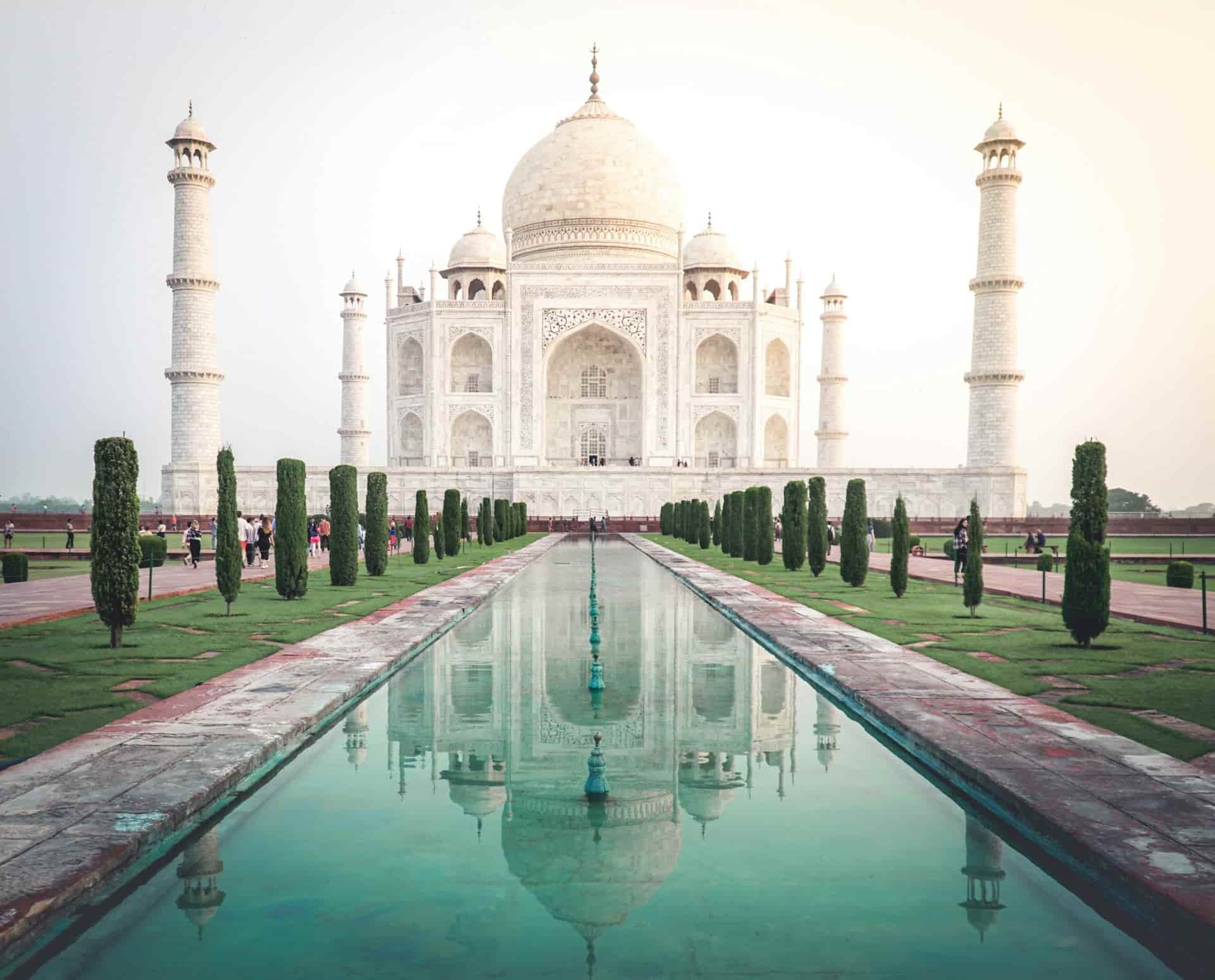
Planning your first journey to India promises an unforgettable experience filled with diversity, culture, and breathtaking landscapes. From the lively streets of major cities to peaceful temples, Himalayan adventures in Ladakh, and tropical escapes in Goa, India offers something for every traveler. To help you enjoy your adventure with confidence, here are the most essential India travel tips for first-time visitors to prepare for a safe, smooth, and memorable trip.
Travel Documents and Insurance
Before departing for India, make sure all your travel documents are in order. Working with a trusted Dmc for Rajasthan can also help organize your itinerary, transport, and local experiences if your trip includes exploring this culturally rich region. A valid passport is essential, and many travelers can conveniently apply for an e-visa online depending on their nationality. It is also highly recommended to purchase travel insurance covering medical emergencies, trip cancellations, and lost luggage. Having the right insurance policy in place provides peace of mind and ensures protection against unexpected travel disruptions during your stay in India.
Vaccinations and Health Precautions
Consulting your doctor before your departure is an important step when planning a trip to India. Depending on the areas you intend to visit, certain vaccinations may be recommended or required. Some travelers may also need preventive medication for malaria or other region-specific illnesses. Preparing your health essentials in advance will allow you to travel with greater confidence and reduce risks during your journey.
Packing Essentials for India
A carefully prepared packing list can make your trip significantly easier. Whether you choose a suitcase or backpack depends on your travel style, but packing lightweight and comfortable clothing is highly advised due to India’s varying climates. Be sure to include modest outfits for temple visits and religious sites, where respectful dress is often expected. A refillable water bottle is another practical essential for staying hydrated while reducing plastic waste throughout your travels.
Currency and Payment Methods
Before arriving, familiarize yourself with the Indian Rupee and expected travel costs. ATMs are widely available in most cities and towns, but informing your bank of your travel plans beforehand can prevent issues when using your debit or credit cards abroad. Carrying cash remains important, especially for local markets, street-food vendors, and smaller shops where digital payments may not always be accepted.
Transportation Tips for Getting Around India
India offers a wide variety of transportation options to suit every budget and travel preference. Public transportation, including buses and trains, is one of the most affordable ways to explore the country. Taxis and rickshaws are commonly used for short local journeys, while private cars offer added comfort for travelers seeking convenience. For covering longer distances quickly, domestic flights are often the most efficient option and can save valuable travel time.
Accommodation Choices Across India
Accommodation in India ranges from budget-friendly hostels and guesthouses to luxurious five-star hotels. Backpackers often choose hostels for affordability and the opportunity to meet fellow travelers. Booking your accommodation in advance is strongly recommended, particularly during peak tourist seasons, to secure the best prices and avoid limited availability in popular destinations.
Cultural Tips for First-Time Visitors
Understanding and respecting local customs can greatly enrich your travel experience in India. Engaging with locals respectfully and keeping an open mind often leads to memorable interactions and authentic cultural experiences. Indian street food is a highlight for many travelers, but always choose vendors that maintain visible hygiene standards to reduce the risk of health issues while enjoying local cuisine.
Safety and Security Advice
Safety should always remain a priority while traveling in India. Stay alert in crowded places, keep valuables secure, and avoid displaying expensive belongings openly. It is wise to store your passport and important documents in a secure place and carry photocopies when sightseeing. Some travelers also choose to register with their embassy for additional support during emergencies abroad.
Internet and Connectivity
Remaining connected during your trip is generally easy in India’s urban centers, where Wi-Fi is widely available in hotels, restaurants, and cafés. However, if you plan to visit rural or remote regions, purchasing a local SIM card can be a practical and affordable way to ensure reliable internet access. Preparing for connectivity in advance can help with navigation, bookings, and communication throughout your journey.
Respecting the Environment While Traveling
Responsible tourism is increasingly important when visiting India’s natural and historical landmarks. Be mindful of littering, respect protected heritage sites, and help preserve the beauty of temples, monuments, and landscapes for future visitors. Traveling sustainably contributes positively to local communities and protects the incredible destinations you are there to explore.
Conclusion
Planning your first trip to India can be both exciting and rewarding when approached with proper preparation. By following these India travel tips for first-time visitors, you can navigate the country more confidently, embrace its vibrant culture, and create unforgettable memories. Whether you are trekking through the Himalayas, exploring ancient temples, or enjoying world-famous street-food, India offers endless discoveries and remarkable experiences for every traveler.
FAQ
What is the best time for first-time visitors to travel to India?
The best time to visit India is generally between October and March, when temperatures are cooler and more comfortable for sightseeing in most regions.
Do first-time visitors need a visa for India?
Yes, most travelers need a visa to enter India. Many nationalities are eligible to apply for an e-visa online before departure.
Is India safe for tourists?
India is generally safe for tourists, but like any destination, travelers should remain cautious, stay aware of their surroundings, and follow common safety precautions.
What should I wear when traveling in India?
Comfortable, breathable clothing is recommended, along with modest attire when visiting temples and religious sites.
Can tourists drink tap water in India?
It is generally advised that tourists avoid tap water in India and instead drink filtered or bottled water to prevent stomach issues.