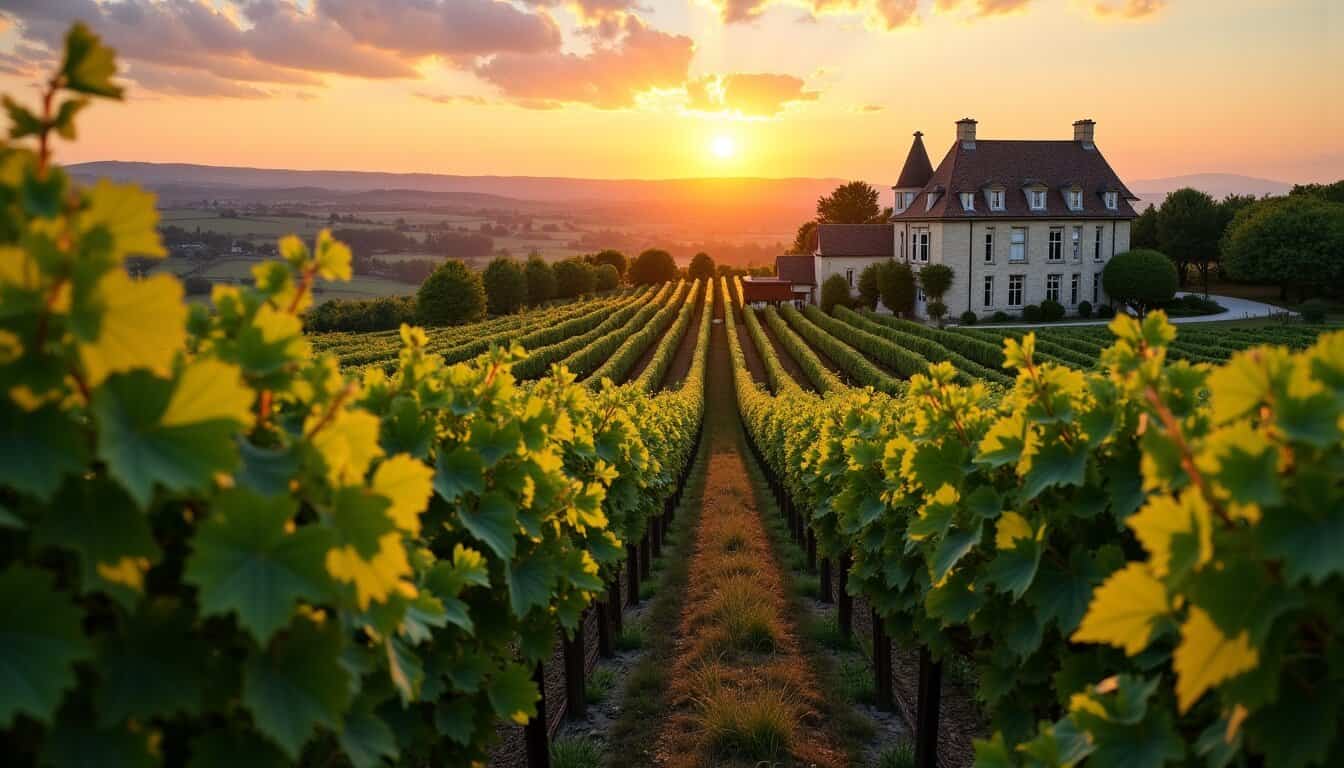
For centuries, the world has looked to France as the undeniable benchmark for winemaking. The enduring fascination with French wine, renowned for its complexity, elegance, and sheer diversity, stems from a rich tapestry of history, geography, and meticulous craftsmanship. It is a heritage meticulously preserved and innovated upon, ensuring that French viticulture maintains its esteemed global standing.
The global reputation of French wine is not merely a modern phenomenon; it is a legacy cultivated over millennia. From its ancient roots tracing back to Roman times, France has continuously refined its winemaking techniques, establishing a tradition that has influenced viticultural practices across the globe. This deep-seated history has allowed French producers to develop an unparalleled understanding of their land and its potential.
Understanding why French wine is so renowned globally requires exploring the unique elements that converge in this extraordinary country. We will delve into the historical foundations, the intrinsic role of its diverse landscapes, the rigorous standards that uphold its quality, and the profound cultural connection that elevates wine beyond a mere beverage.
A legacy centuries in the making for French wine renowned quality
The story of French wine begins long before France itself was a unified nation. Winemaking was introduced to the region by the Romans, who recognized the fertile lands and favorable climate as ideal for viticulture. Over subsequent centuries, monastic orders played a pivotal role in cultivating vineyards and refining winemaking techniques, meticulously documenting their observations of specific plots of land – a practice that laid the groundwork for the concept of ‘terroir’.
This unbroken chain of tradition, passed down through generations, has allowed French winemakers to accumulate an invaluable body of knowledge. Each era has contributed to the evolution of grape varieties, cultivation methods, and cellar practices, preserving a heritage that few other wine-producing nations can claim. This deep historical context provides a foundation of expertise that continues to inform modern winemaking, ensuring that traditional methods are respected while embracing innovation.
One notable historical tie that significantly boosted the international profile of French wine, particularly from Bordeaux, was the extensive trade relationship with England. For nearly a thousand years, England’s thirst for Bordeaux wines fueled a robust export market, establishing a global demand and appreciation that has endured. This long-standing commercial relationship helped cement French wine’s reputation as a premium product far beyond its borders.
The magic of terroir: France’s secret ingredient
At the heart of French wine’s exceptional quality lies the concept of “terroir.” This multifaceted term encompasses not only the soil and subsoil composition but also the climate (temperature, rainfall, sunlight), topography (altitude, slope, aspect), and the unique human factors involved in cultivating grapes and making wine. French winemakers often speak of terroir as the soul of their wine, believing it imparts a distinctive character that cannot be replicated elsewhere.
France’s geographical diversity offers an astonishing array of terroirs. From the chalky soils of Champagne to the granite slopes of the Northern Rhône, and the gravelly plains of Bordeaux, each region provides specific conditions that favor particular grape varieties. Winemakers have spent centuries understanding which grapes thrive best in which microclimates and soil types, leading to a perfect symbiosis between the land and the vine.
The influence of terroir is what gives wines from different appellations their unique identities, even when made from the same grape variety. For example, a Pinot Noir from Burgundy will taste distinctly different from a Pinot Noir grown in Alsace, precisely because of their differing terroirs. This intricate relationship between land, climate, and human expertise is arguably the most significant factor contributing to the global prestige of French wine.
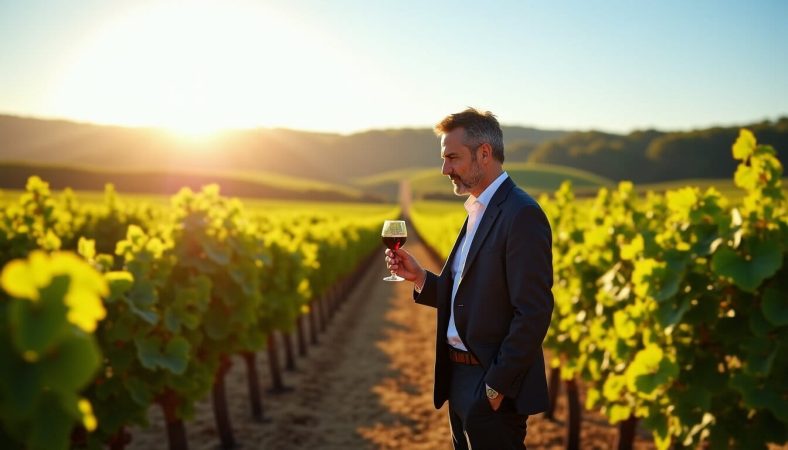
Key elements of French terroir
- Climate: Varies significantly across France, from the cool, continental climate of Champagne and Alsace to the temperate maritime influence in Bordeaux and the Mediterranean warmth in the South.
- Soil: An incredible diversity, including limestone, clay, gravel, sand, granite, and volcanic soils, each imparting different characteristics to the grapes.
- Topography: Slopes, altitude, and proximity to rivers or oceans influence sun exposure, drainage, and temperature regulation.
- Human Element (Savoir-faire): Generations of accumulated knowledge regarding grape selection, pruning, harvesting, and winemaking techniques adapted to the specific local conditions.
Unrivaled diversity of regions and styles
One of the most compelling aspects of French wine is its incredible diversity. France is home to numerous distinct wine regions, each with its own signature grape varieties, winemaking traditions, and resulting styles. This vast spectrum ensures that there is a French wine to suit every palate and occasion, from crisp sparkling wines to robust reds and delicate sweet wines.
This regional specialization is a testament to centuries of trial and error, where winemakers discovered which grapes flourished best in their local terroir. The result is a mosaic of unique wine identities that have become household names globally:
| Region | Primary Wine Styles | Key Grape Varieties |
|---|---|---|
| Bordeaux | Elegant red blends, dry white wines, sweet botrytized whites | Cabernet Sauvignon, Merlot, Cabernet Franc, Sémillon, Sauvignon Blanc |
| Burgundy | Refined red and white wines (single varietal focus) | Pinot Noir, Chardonnay |
| Champagne | World-famous sparkling wine | Chardonnay, Pinot Noir, Pinot Meunier |
| Loire Valley | Crisp whites, vibrant reds, sparkling, sweet wines | Sauvignon Blanc, Chenin Blanc, Cabernet Franc |
| Rhône Valley | Full-bodied red blends, aromatic whites | Syrah, Grenache, Mourvèdre, Viognier, Roussanne, Marsanne |
| Alsace | Aromatic dry white wines (often single varietal) | Riesling, Gewürztraminer, Pinot Gris, Pinot Blanc |
Each region’s unique contribution enriches the overall tapestry of French viticulture. This diversity means that wine enthusiasts can embark on a lifelong journey of discovery, continually finding new flavors and experiences within the country’s borders.
Strict quality control and the appellation system
A cornerstone of French wine’s global reputation is its rigorous system of quality control, primarily embodied by the Appellation d’Origine Contrôlée (AOC) or, more recently, Appellation d’Origine Protégée (AOP). This system, established in the 1930s, is designed to guarantee the authenticity and quality of wines by regulating every aspect of their production.
The AOP regulations dictate specific grape varieties that can be planted in a given area, maximum yields per hectare, minimum alcohol levels, winemaking techniques, and even aging requirements. These strict rules ensure that a wine labeled with a particular appellation genuinely reflects the unique characteristics of its terroir and upholds the quality standards associated with that region. This meticulous oversight provides consumers with a powerful assurance of quality and origin.
“The AOP system is more than just a label; it’s a commitment to preserving the integrity of our land and the distinctiveness of our wines. It ensures that every bottle tells an authentic story of its origin.”
This commitment to quality control not only protects consumers but also safeguards the heritage of French winemaking. It prevents dilution of regional identities and encourages winemakers to strive for excellence, knowing that their efforts are recognized and protected by law. The AOP system has been so successful that it has served as a model for similar quality designation systems in wine-producing countries worldwide.
The profound connection to French culture and cuisine
Wine in France is more than just an agricultural product; it is an integral part of the nation’s culture, lifestyle, and culinary identity. It is deeply woven into the fabric of daily life, celebrated in art, literature, and social gatherings. This cultural reverence elevates wine to a status far beyond a mere beverage, making it a symbol of French art de vivre.
The French approach to food and wine is one of harmony and balance. Meals are often structured around accompanying wines, with specific pairings designed to enhance both the dish and the drink. This tradition of thoughtful pairing has led to the development of wines that are inherently food-friendly, crafted to complement a wide range of flavors and textures rather than dominating them.
This cultural integration means that winemaking is not just a business but a passion, often passed down through families for generations. The pride in producing quality wine is palpable, and the connection to the land is deeply personal. This dedication to craft and culture translates into wines that are made with care, precision, and a profound respect for tradition.
For those interested in experiencing this cultural connection firsthand, exploring the various wine routes across France offers an immersive journey. These routes provide unique opportunities to visit vineyards, meet winemakers, and participate in tastings, offering a deeper appreciation for the artistry involved. More information can often be found through resources like www.visitfrenchwines.com, which highlights authentic cellar tours and regional experiences.
Sustaining an enduring global reputation
The enduring global renown of French wine is a multifaceted phenomenon, built upon a foundation of ancient traditions, diverse terroirs, stringent quality controls, and a profound cultural integration. It is this unique combination that allows France to consistently produce wines of exceptional quality, character, and variety, catering to a global audience with discerning tastes.
From the historic vineyards that tell tales of Roman legions and medieval monks to the innovative cellars of today, French winemaking embodies a continuous pursuit of excellence. The dedication to understanding and expressing the unique voice of each plot of land, combined with centuries of accumulated wisdom, ensures that every bottle of French wine offers a singular experience.
The influence of French viticulture extends far beyond its borders, having inspired winemakers worldwide to adopt its grape varieties, techniques, and quality philosophies. Yet, the original remains unparalleled in its complexity and historical depth. This rich heritage and ongoing commitment to quality mean that French wine will undoubtedly continue to captivate connoisseurs and casual drinkers alike for generations to come, solidifying its place as a global icon of viticultural excellence.