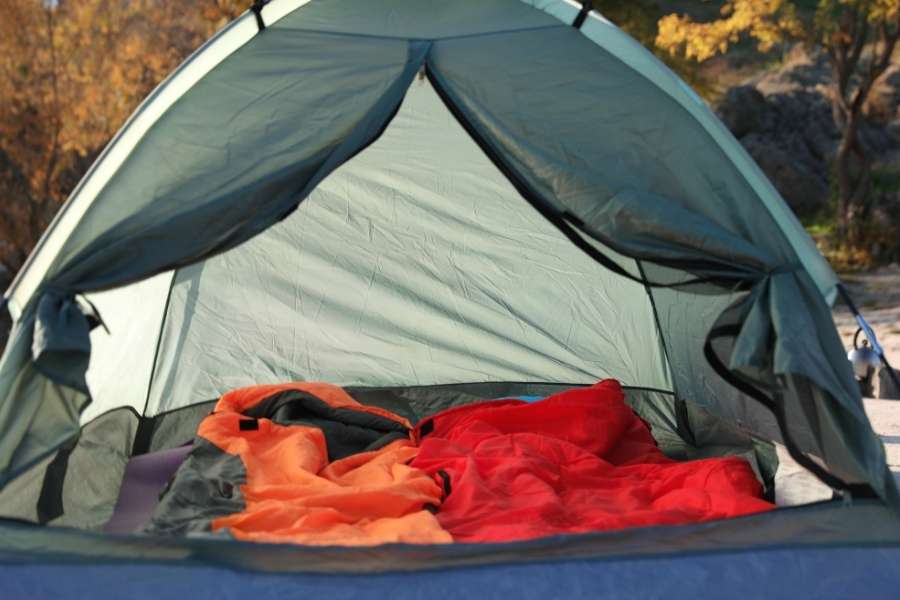
You wake up at three in the morning shivering. The frozen ground beneath your back drains every bit of your warmth. A frosty breeze slips right through the tent walls. Mastering sleeping comfortably in a tent in freezing weather changes your entire outdoor experience. Learn how to stay warm while camping in cold weather with these field-tested strategies.
The cold night outdoors challenges your natural biological heat. Your body fights conduction, convection, radiation, and moisture evaporation all night. When ambient air plunges below freezing, the frozen ground steals heat quickly. Learning how to insulate a tent against cold nights stops this heat drain. You can stay warm and sleep soundly in freezing weather.
Proper gear planning makes a massive difference on the trail. You need smart insulation, dry clothes, and balanced shelter airflow. These best tips for sleeping comfortably in a tent guarantee warm nights outside. Let us explore the seven core methods for your winter adventures.
Understanding Heat Loss During Freezing Wilderness Trips
Your body acts like a furnace inside your shelter setup. Cold ground absorbs thermal energy whenever you lie down flat. Moving air strips heat away from your bare skin constantly. Radiated warmth escapes into the open spaces of the tent. Sweat makes fabrics damp and quickly cools your skin down.
The standard nylon shelter stops wind and repels falling snow. It cannot create thermal energy on its own during trips. You must build an insulated cocoon that traps natural warmth. Finding top camping spots for nature lovers requires preparing your setup for varying weather conditions. Cold weather camping demands smart setups that block freezing drafts. Good insulation protects you from the cold ground all night.
Smart campers prepare their sleep systems before nightfall arrives. They never wait until they start shivering to add layers. Organizing your camp properly prevents serious nighttime chills. You will rest better and enjoy the crisp wilderness morning.
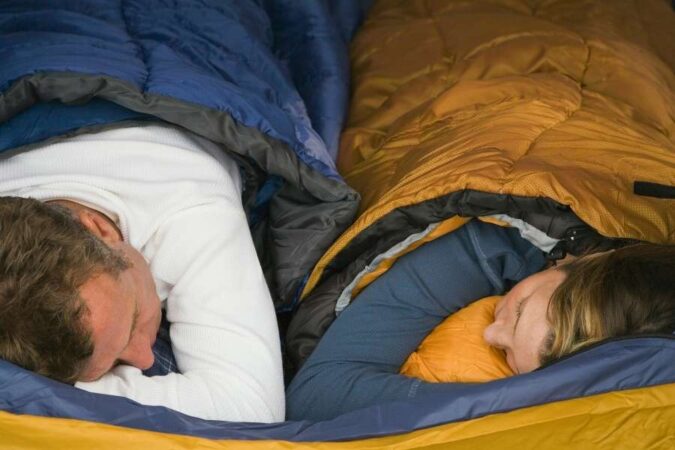
7 Methods for Sleeping Comfortably in a Tent in the Cold
Staying warm in freezing temperatures requires careful gear preparation. Every single layer of your setup serves a distinct purpose. Outdoor travelers visiting iconic monuments to see around the world often face sudden climate shifts in surrounding rural areas. Follow these practical steps to enjoy warm and restorative sleep.
1. Upgrade Your Ground Defense with a Sleeping Pad
Your body weight crushes the insulation under your sleeping bag. This flattened material cannot trap warm air pockets anymore. The freezing dirt pulls heat straight out of your back. A high-quality sleeping pad creates a solid thermal barrier. It stops conductive heat loss before it drains your energy.
Always check the standardized R-value before heading out into snow. Winter trips require an R-value of 4.5 or higher. You can stack two separate pads together for extreme cold. Place a closed-cell foam mat directly on the floor. Put an insulated inflatable mattress directly on top of it.
This dual setup stops frost from reaching your sleeping bag. It cushions your hips and shoulders on hard frozen dirt. Your sleeping bag works much better with this solid base. You will notice immediate warmth the moment you lie down. High R-value pads are essential for sleeping comfortably in a tent.
2. Choose an Appropriately Rated Warm Sleeping Bag
Always review the official comfort rating on your gear labels. Do not rely on the extreme limit rating for safety. Pick a bag rated well below the predicted night temperature. A ten-degree buffer keeps you safe if temperatures drop suddenly. A warm sleeping bag keeps you safe through long nights.
Down fill provides incredible warmth while packing down very small. Synthetic fills perform reliably well in humid and damp conditions. Add a thermal fleece or silk liner inside your bag. Liners easily boost your warmth by a few crucial degrees. They also keep internal fabrics clean from body sweat oils.
Make sure your sleeping sack fits your body dimensions properly. Excess space at the bottom forces you to heat empty air. Shorten long bags by stuffing dry clothes into the base. This simple trick warms up your feet much faster tonight. Proper bedding delivers the ultimate heat retention in sub-zero weather.
3. Improve Tent Insulation and Stop Frost Buildup
A closed tent collects moisture from your normal breathing cycle. This water vapor hits cold walls and turns into frost. That frost falls down onto your gear and wets down. Never close all your upper ceiling vents during cold nights. Good airflow keeps moisture moving safely out of your shelter.
Effective tent insulation requires managing moisture alongside cold air. Pitch a smaller tent to minimize cold empty interior space. Your natural body warmth heats up small shelters much faster. Put a reflective space blanket flat on your floor area. Point the shiny surface upward to reflect warmth toward you.
Brush away any loose snow from your outer tent fabric. Clear walls allow humid air to escape through the vents. Keep your face outside the sleeping bag opening all night. Exhaling inside your bag destroys the loft of down feathers. Proper airflow keeps your fabrics dry and fully insulated.
4. Wear Dry Thermal Layers Designed for Sleep
Never sleep in the clothes you wore while hiking today. Daytime garments hold hidden sweat moisture that chills your skin. Change into fresh clothes as soon as you make camp. Dedicated sleep wear keeps your core warm through the night. Dry thermal layers make a huge difference in cold tents.
Merino wool fabrics wick away moisture while trapping warm body air. Technical synthetic polyester also works well for cold conditions. Avoid tight clothing that pinches and restricts your blood flow. Wear loose items so warm blood reaches your cold toes. Good clothing choices maximize your overall camping comfort outdoors.
Put on a clean fleece beanie before getting into bed. A dry wool neck gaiter stops cold drafts along zippers. Wear thick wool socks that do not squeeze your feet. Keep lightweight gloves handy inside your bag just in case. Layering correctly ensures you are sleeping comfortably in a tent.
5. Boost Your Metabolism with Evening Food and Drink
Your digestive system acts like a personal overnight heating unit. Digesting food produces natural body heat that lasts for hours. Eat a calorie-dense snack thirty minutes before going to sleep. Nuts, cheese, and dark chocolate provide long-lasting metabolic fuel. Quality nutrition is among the best winter camping tips.
Drink a warm cup of herbal tea before your bedtime. Avoid caffeinated drinks that disrupt normal restful sleep patterns later. Do not drink excessive amounts of liquid right before bed. A full bladder forces your body to waste valuable heat. Relieve yourself before crawling inside your shelter for the night.
Keep a quick energy snack right next to your pillow. If you wake up shivering, eat a few quick bites. Your metabolism will restart and generate fresh body warmth quickly. This simple routine keeps your internal furnace running smoothly tonight. Good food choices deliver reliable heat retention until morning light.
6. Warm Up Your Bedding with Active Heat Tricks
Never climb into cold bedding with cold feet and hands. Warm up your sleeping bag before you turn in tonight. Boil clean water and fill a sturdy, leak-proof bottle. Slide that hot bottle inside a clean wool sock safely. Place it deep inside the footbox of your bag.
This simple bottle trick radiates steady heat for several hours. It warms cold toes and prevents painful foot cramps overnight. Perform light jumping jacks outside your tent before getting inside. Warm your muscles without breaking into a heavy sweat first. You will enter your bed warm and ready for sleep.
Shake your down sleeping bag to restore its full loft. Fluffed down traps warm air much better than compressed feathers. Let your sleeping pad inflate completely before you get inside. These active habits ensure sleeping comfortably in a tent all night. You will stay warm without wasting your own energy.
7. Pack and Stage Essential Gear for Winter Camping Warmth
Freezing temperatures can damage sensitive electronics and water filters fast. Bring vulnerable gear directly inside your sleeping bag with you. Water filters crack and fail permanently if they freeze overnight. Phone and camera batteries drain power rapidly in freezing air. Staging essential gear for winter camping warmth prevents disastrous gear failures.
Place tomorrow’s hiking base layers down near your warm feet. The extra clothing fills empty space inside your sleeping bag. You will wake up to warm clothes in the morning. Keep your headlamp wrapped inside a sock near your head. Organized shelters prevent dangerous fumbling in dark, freezing conditions.
Keep your boots inside the tent out of falling snow. Place them on a small mat so melted frost drains. Put boot liners inside your bag if temperatures drop low. Warm boot liners make morning departures much more pleasant outside. Smart gear habits keep you sleeping comfortably in a tent.
Essential Cold-Weather Camping Checklist
Selecting a sheltered camp spot away from windy valley floors is your first task. Clear sharp rocks and deep snow before setting your shelter down. Lay a durable waterproof footprint directly beneath your tent floor area. Stack a foam pad beneath an insulated inflatable air mattress.
Use a winter sleeping bag with a thick thermal liner inside. Change into clean, completely dry merino wool sleep clothes before bed. Place a secure hot-water bottle inside your cold footbox area. Keep top shelter vents open to stop icy frost buildup overnight.
Frequently Asked Questions
Why do feet get cold so quickly inside a tent?
Feet get cold due to tight socks or compressed insulation. Restricted blood flow prevents warm blood from reaching your toes. Sleeping with your feet pressed against the tent wall chills them. Wear loose wool socks and use a hot water bottle.
Can a three-season tent work well for winter camping?
A three-season tent works if there is no heavy snow. It blocks cold wind and keeps your gear dry overnight. You must use high R-value sleeping pads on the floor. Keep the upper vents open to prevent interior frost buildup.
What is the best way to stop shivering at night?
Eat a quick snack like nuts to restart your metabolism. Do gentle muscle flexes inside your bag to generate warmth. Empty your bladder outside so your body stops heating fluid. Add an extra dry fleece layer over your base clothing.